How Regular Cleaning Schedules Improve Indoor Air Quality
Regular cleaning schedules help remove dust, allergens, and pollutants, and local service providers can assist in maintaining a healthier indoor air quality.
Maintaining a clean indoor environment is essential for promoting healthier air quality, especially in spaces that are occupied frequently or by multiple people. Regular cleaning schedules can help reduce the buildup of dust, allergens, and other airborne particles that often compromise indoor air quality. Property owners in the area who are seeking practical ways to create a fresher, healthier living or working space will find that consistent cleaning can make a noticeable difference in the air they breathe every day. Exploring how regular cleaning services can support this effort is a smart step toward creating a more comfortable environment for family, employees, or visitors.
Local service providers who specialize in cleaning can tailor their routines to fit specific needs, ensuring that common sources of indoor air pollutants are addressed regularly. From dusting and vacuuming to disinfecting surfaces, these professionals help maintain a cleaner space that supports better air quality. Property owners interested in making informed decisions about their indoor environments are encouraged to learn more about how a consistent cleaning schedule can contribute to healthier air and overall comfort. Keep reading to discover practical tips and how local experts can assist in achieving a cleaner, healthier indoor atmosphere.
- Regular Cleaning - homeowners concerned about indoor air quality may seek regular cleaning services to reduce dust and allergens that accumulate over time.
- Deep Dusting and Vacuuming - when residents notice increased dust or allergy symptoms, local service providers can perform thorough dusting and vacuuming to improve air cleanliness.
- Carpet and Upholstery Cleaning - those experiencing persistent indoor air issues often turn to pros for cleaning carpets and furniture that trap airborne particles.
- Surface Sanitization - individuals aiming to minimize airborne contaminants may hire local contractors to sanitize surfaces that harbor dust and microbes.
- Air Vent and Duct Cleaning - people noticing poor air circulation or musty odors might seek professional cleaning of air vents and ducts to enhance indoor air quality.

When people search for how regular cleaning schedules improve indoor air quality, they often aim to understand the connection between routine cleaning and healthier indoor environments. This topic typically relates to concerns about dust, allergens, pet dander, mold spores, and other airborne particles that can accumulate over time. Homeowners interested in maintaining a clean and safe living space may be seeking practical advice on how consistent cleaning routines can reduce these pollutants, leading to fresher, healthier air inside their homes. Many are also exploring ways to prevent issues such as musty odors or respiratory discomfort that can stem from poor indoor air quality, especially in spaces where cleaning may not be as frequent or thorough.
This subject ties closely to common household problems like allergy flare-ups, asthma triggers, or the buildup of grime and debris that can compromise air circulation. It relates to plans that include regular dusting, vacuuming, wiping down surfaces, and deep cleaning tasks that help remove particulate matter from surfaces and air filters. Homeowners often consider whether establishing a systematic cleaning schedule can be an effective part of their overall health and wellness routines. These plans are especially relevant for properties with high occupancy, pets, or moisture issues, where airborne contaminants tend to accumulate more quickly and require consistent management to keep indoor air clean and breathable.
The types of properties that frequently come up in discussions about indoor air quality and cleaning schedules include single-family homes, apartments, condominiums, and multi-unit residential buildings. Commercial spaces such as offices, clinics, and small retail locations may also be included, especially when indoor air quality impacts employee or customer health. Regardless of property size or type, the focus remains on how routine cleaning can serve as a practical step toward reducing airborne pollutants, preventing mold growth, and maintaining a healthier indoor environment. Local service providers specializing in regular cleaning can tailor their services to meet the specific needs of each property, ensuring that cleaning routines support better air quality.
For homeowners considering how to improve indoor air quality through cleaning, understanding the role of regular schedules can be a game-changer. Local pros who offer routine cleaning services can help establish and maintain effective cleaning plans that target dust, allergens, and other pollutants. These professionals are equipped to handle various cleaning tasks-from vacuuming carpets and upholstery to wiping down surfaces and cleaning air vents-that directly influence indoor air quality. By engaging experienced cleaning service providers, homeowners can ensure their living spaces are not only visually clean but also healthier to breathe, making regular cleaning an essential part of maintaining a comfortable and safe home environment.
HVAC Filter Replacement - local contractors who specialize in HVAC maintenance can ensure filters are regularly changed to reduce airborne contaminants, supporting cleaner indoor air quality.
Carpet and Upholstery Cleaning - professionals skilled in deep cleaning fabrics help remove dust, allergens, and pollutants that can impact indoor air during routine cleaning.
Vent and Duct Cleaning - service providers experienced in ductwork maintenance can clear out dust buildup, improving airflow and reducing indoor air pollutants.
Allergen and Dust Mite Control - local cleaning experts can implement targeted cleaning methods to minimize allergens that degrade indoor air quality over time.
Mold Remediation Services - specialists equipped to identify and remove mold sources contribute to healthier indoor environments and better air quality.
Sanitization and Disinfection - providers offering sanitization services help eliminate bacteria and viruses, supporting overall indoor air cleanliness and health.
When comparing local contractors for regular cleaning services aimed at improving indoor air quality, it is important to evaluate their experience with similar projects. A provider with a history of working in homes or environments that prioritize air quality can offer insights into effective cleaning techniques that target dust, allergens, and other airborne particles. Asking about their previous work can help determine if they understand the specific needs related to indoor air quality and whether they have the expertise to handle the unique challenges of maintaining a cleaner, healthier living space.
Clear written expectations are essential when selecting a service provider for ongoing cleaning routines. A reputable contractor should be willing to outline the scope of work, including tasks related to dust removal, vacuuming, and surface cleaning, which directly impact indoor air quality. This clarity helps ensure that both parties have aligned goals and understand what is included in the service, reducing the chance of misunderstandings or incomplete cleaning that could compromise air quality. Well-defined expectations also serve as a basis for evaluating the quality and consistency of the work over time.
Reputable references and strong communication practices are key factors in choosing the right local contractor. References from previous clients can provide insights into the reliability, thoroughness, and professionalism of the service provider. Good communication-whether through timely responses, clear explanations, or openness to questions-indicates a contractor’s commitment to meeting customer needs and maintaining transparency. These qualities can help ensure that the regular cleaning services will be consistently effective in supporting better indoor air quality and that any concerns or adjustments can be addressed promptly and efficiently.
Property owners often search for how regular cleaning schedules improve indoor air quality when they are planning practical projects around their homes and businesses. Local pros provide Regular Cleaning services for everyday jobs and straightforward project options.
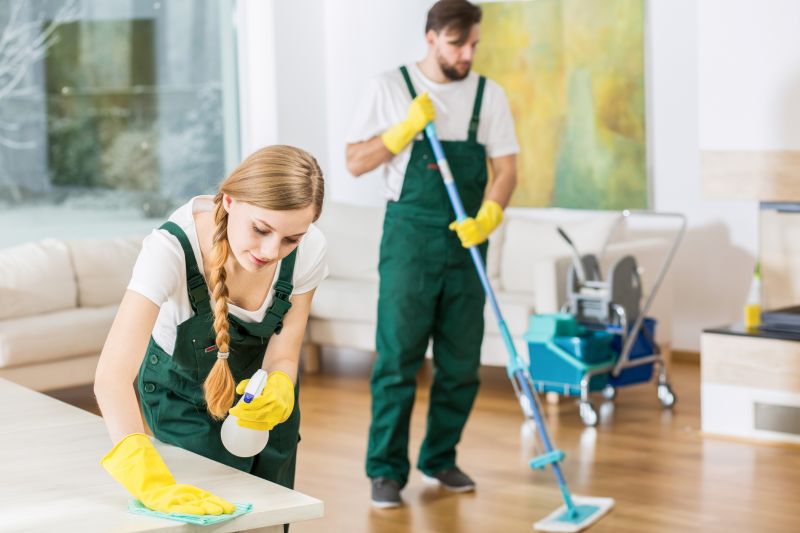
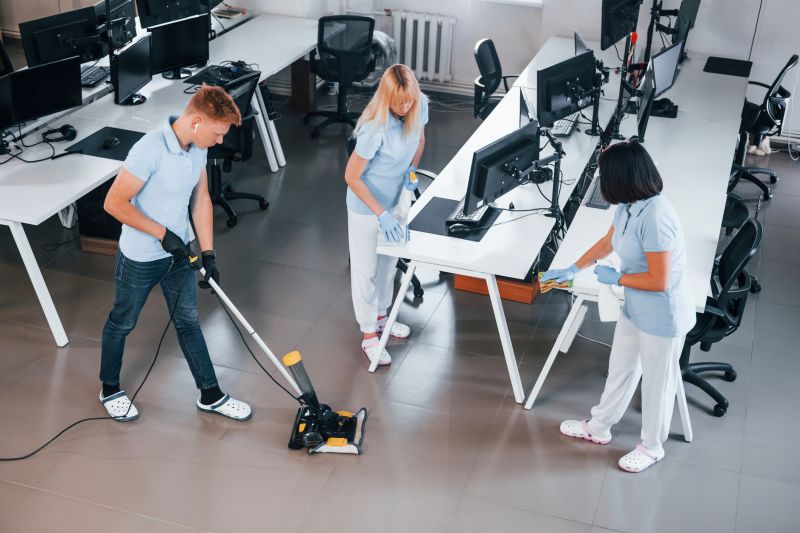
Maintaining a regular cleaning schedule can significantly impact indoor air quality by reducing common sources of airborne pollutants such as dust, pet dander, and allergens. Property owners in the area often find that consistent cleaning helps prevent the buildup of these particles, which can otherwise circulate throughout a home or office space. Engaging with local contractors who specialize in routine cleaning can make it easier to keep indoor environments healthier and more comfortable for everyone.
In addition, routine cleaning services provided by local professionals help ensure that hard-to-reach areas are thoroughly cleaned, minimizing the chances of mold growth and dust accumulation that can compromise air quality. Regular upkeep also supports the removal of everyday debris that can contribute to poor indoor air conditions over time. Property owners seeking practical solutions for maintaining a cleaner, healthier indoor environment may consider connecting with local service providers who can handle these ongoing cleaning needs effectively.
How do regular cleaning schedules help improve indoor air quality? Regular cleaning removes dust, allergens, and pollutants that can accumulate indoors, leading to healthier air. Local contractors can establish consistent cleaning routines to maintain a cleaner indoor environment.
What impact does routine cleaning have on dust and allergen levels? Routine cleaning reduces dust and allergens in the home, decreasing the likelihood of respiratory issues. Local service providers can help keep surfaces and air vents free of these particles.
Can regular cleaning prevent mold and bacteria growth? Yes, consistent cleaning helps prevent mold and bacteria buildup by addressing moisture-prone areas regularly. Local cleaning professionals can target areas that are most susceptible to microbial growth.
How does a cleaning schedule influence indoor air circulation? A regular cleaning schedule reduces obstructions like dust and debris that can hinder air circulation, promoting better airflow and overall indoor air quality. Local pros can ensure vents and filters are maintained properly.
Why is consistency important for maintaining good indoor air quality? Consistent cleaning prevents the buildup of pollutants over time, ensuring indoor air remains healthier. Local contractors can help establish and maintain effective cleaning routines for ongoing air quality improvement.
Consistent dusting and vacuuming - regular cleaning services can help remove dust, pet dander, and allergens that accumulate on surfaces and carpets, improving indoor air quality.
Deep cleaning of air vents and filters - professional cleaning can ensure that air circulation systems are free of dust and debris, reducing airborne contaminants.
Cleaning upholstery and curtains - scheduled cleaning of soft furnishings can prevent the buildup of allergens and dust mites that affect indoor air quality.
Routine surface sanitation - maintaining clean surfaces minimizes the presence of germs and particles that can circulate in indoor air, supporting healthier indoor environments.
If you are thinking about how regular cleaning schedules improve indoor air quality for a property, this guide is meant to help you understand this topic, the typical project types, and how different options might fit your plans.
When you are ready, you can use the quote form on this page to share a few details about your project. From there, local pros can review the basics and follow up with options that match what you have in mind.